
As families explore care options for aging loved ones, many encounter new terms that can feel confusing. One common question is: What is family home in senior care? Another related concept is living assisted, which describes supportive residential environments for older adults who need daily help while maintaining dignity and comfort.
Understanding these care models helps families choose settings that balance independence, safety, and emotional well-being. Providers like Giftin focus on personalized, home-like support that reflects the values behind family-style senior living.
What is family home in senior living?
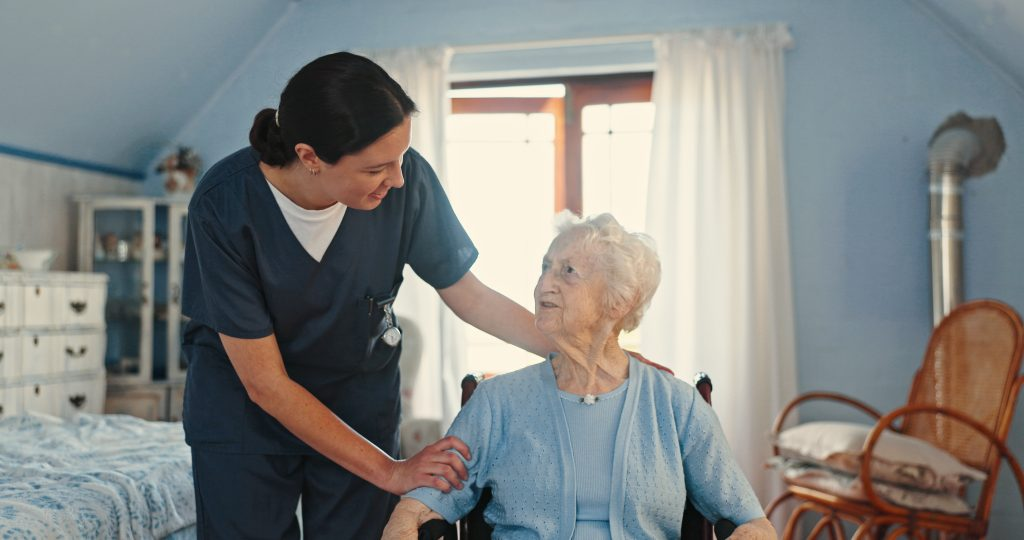
In eldercare, What is family home refers to a small, residential care setting designed to feel like a private household rather than an institution. Seniors live in a shared home environment with caregivers providing daily support.
Unlike large facilities, family homes emphasize:
- Familiar surroundings
- Small resident groups
- Personalized routines
- Close caregiver relationships
- Home-cooked meals
- Calm, quiet atmosphere
This model aligns with the concept of residential care described by the National Institute on Aging, which highlights smaller home environments as beneficial for comfort and emotional stability.
Understanding living assisted care
living assisted refers broadly to assisted living arrangements where seniors receive help with daily activities while maintaining independence. These environments bridge the gap between independent living and nursing care.
Typical living assisted support includes:
- Personal hygiene assistance
- Medication reminders
- Mobility support
- Meal preparation
- Housekeeping
- Social engagement
The World Health Organization recognizes assisted living environments as key to promoting healthy aging and maintaining functional ability in later life.
Explore supportive services available:
👉 https://giftinassistedliving.com/our-services/
Why families choose family-style living assisted homes
When asking What is family home, families are often seeking alternatives to large nursing facilities. Family-style living assisted homes offer several advantages.
1. Personalized attention
Small resident numbers allow caregivers to know each individual deeply.
2. Emotional comfort
Home-like spaces reduce stress and confusion, especially for seniors with memory challenges.
3. Strong relationships
Residents form close bonds with caregivers and peers.
4. Flexible routines
Schedules adapt to personal preferences rather than institutional timetables.
Research summarized in AARP resources shows smaller assisted living environments often improve satisfaction and quality of life among older adults.
Family home vs traditional assisted living
Understanding What is family home becomes clearer when compared with larger assisted living facilities.
Family home
- Small residential house
- Few residents
- Personalized care
- Quiet setting
- Family atmosphere
Traditional assisted living
- Larger community building
- Many residents
- Structured schedules
- Shared staff
- Institutional feel
Both are forms of living assisted, but the scale and environment differ. Definitions of residential assisted living appear in eldercare classifications described in Wikipedia long-term care resources.
Who benefits most from living assisted family homes
Family-style living assisted environments are ideal for seniors who:
- Need help with daily tasks
- Prefer quiet surroundings
- Value personal relationships
- Feel overwhelmed in large facilities
- Want homelike comfort
- Require consistent caregivers
Giftin specializes in this personalized approach, helping families find supportive residential care aligned with dignity and independence:
👉 https://giftinassistedliving.com/
Safety and support in family home care
A key concern when asking What is family home is safety. Quality living assisted homes provide:
- 24/7 caregiver presence
- Fall prevention support
- Medication assistance
- Mobility help
- Supervised nutrition
- Emergency response readiness
According to guidance from the Centers for Disease Control and Prevention, supervised residential environments significantly reduce injury risk among older adults compared with living alone when functional limitations exist.
Emotional benefits of living assisted environments
Beyond physical care, living assisted homes provide meaningful emotional support. Seniors often experience:
- Loneliness
- Anxiety
- Loss of routine
- Reduced confidence
Family-style environments restore belonging and purpose. Residents feel part of a household rather than patients in a facility.
Studies referenced by the Alzheimer’s Association also show smaller residential care settings can reduce stress and behavioral symptoms in seniors with cognitive decline.
Conclusion
Understanding What is family home helps families recognize a compassionate alternative in senior care. Family-style living assisted homes combine personalized support, safety, and emotional comfort within a familiar residential environment. These settings preserve dignity, independence, and meaningful relationships while ensuring daily assistance is always available.
With trusted providers like Giftin, families can confidently choose supportive living options that honor both the practical needs and emotional well-being of aging loved ones.